For Chinese Energy Technology Stocks, Tier 1 requires a direct line from the theme to core revenue, orders or operating metrics.
RICH Research
Chinese Energy Technology Stocks
Editorial review: August 21, 2026 · Verify volatile market, listing and financial data before acting. · Scope: Chinese Energy Technology Stocks
Chinese Energy Technology Stocks focuses on battery makers, energy-storage systems, power electronics, grid equipment and suppliers serving data centers and electrification. The purpose is not to predict a guaranteed winner. It is to help investors separate a technology narrative from an investable security by examining technology mix, utilization, commodity exposure, margins and market access. In a market where public, private and newly listed companies can be discussed in the same breath, that basic discipline prevents a surprising amount of confusion.
RICH approaches Chinese energy-technology investing through compact, bottom-of-funnel questions: what is actually listed, what gives direct versus indirect exposure, how alternatives compare, what risks are specific to the business, and whether a foreign investor can realistically access the security. The page is deliberately structured for research decisions rather than broad awareness traffic.
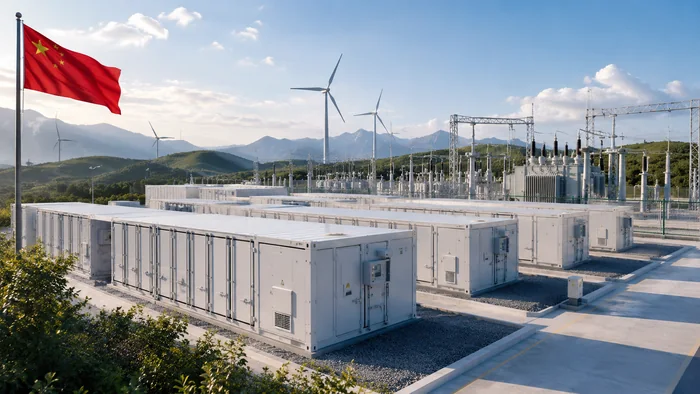
BASKET / SECTOR PAGE
Chinese Energy Technology Stocks: inclusion framework
In the Chinese Energy Technology Stocks universe, suppliers may diversify customer risk, though their exposure can be less pure than a direct operator.
Any proxy included for Chinese Energy Technology Stocks should have a verifiable relationship large enough to affect the listed company’s economics.
The Chinese Energy Technology Stocks page is a screening universe, not a disguised profile of one favored company.
Quick answers
Direct answers to high-intent investor questions. Time-sensitive facts are flagged for re-verification rather than presented as permanent.
What alternative sectors should I compare with Chinese Energy Technology Stocks?
An alternative to Chinese Energy Technology Stocks should be chosen by the exposure it provides, not by name similarity. Compare direct peers, adjacent value-chain companies and diversified fund routes. The best alternative is the one that preserves the intended economic exposure while improving access, diversification or risk characteristics. Editorial review: August 21, 2026 · Verify volatile market, listing and financial data before acting. · Scope: Chinese Energy Technology Stocks
What are the best Chinese Energy Technology Stocks to research?
Do not treat 'best' as a permanent ranking for Chinese Energy Technology Stocks. Build a shortlist using exposure purity, commercial evidence, balance-sheet strength, valuation discipline, liquidity and investor access. A company should rank highly only when the theme is financially material and the evidence is stronger than the narrative. Editorial review: August 21, 2026 · Verify volatile market, listing and financial data before acting. · Scope: Chinese Energy Technology Stocks
How can I get diversified exposure to Chinese Energy Technology Stocks?
An ETF can simplify access to Chinese Energy Technology Stocks, but it changes the economics of the exposure. Check actual holdings, weight, fees, liquidity, index methodology and whether the fund owns the desired company or merely adjacent names. A convenient fund route may be sensible, but it should not be described as identical to direct ownership. Editorial review: August 21, 2026 · Verify volatile market, listing and financial data before acting. · Scope: Chinese Energy Technology Stocks
Do several Chinese Energy Technology Stocks depend on the same underlying demand driver?
Chinese Energy Technology Stocks should be treated according to the economic exposure it actually adds, not the label attached to the company or sector. Check whether the position duplicates exposure already held through the same customers, technology stack or demand driver. The goal is to distinguish direct thematic exposure from supplier, proxy or diversified exposure. Editorial review: August 21, 2026 · Verify volatile market, listing and financial data before acting. · Scope: Chinese Energy Technology Stocks
How concentrated would a portfolio of Chinese Energy Technology Stocks really be?
Chinese Energy Technology Stocks should be evaluated by the role it plays in a Energy Storage / Batteries portfolio: direct company exposure, indirect supplier exposure, diversified exposure, or pre-listing research. That role affects concentration and thesis purity. The page therefore works best as one component of a broader exposure map rather than as a standalone allocation recommendation.
Investment / investability facts
Structured facts for this page. Volatile security, listing and access details are marked for current verification rather than presented as permanently current.
- Page role
- SECTOR_BASKET
- Exposure type
- BASKET_OR_THEME_EXPOSURE
- Investability class
- MULTI_SECURITY_RESEARCH_UNIVERSE
- Listing status
- UNKNOWN_FROM_EXISTING_CONTENT
- Ticker signal
- NOT_EXTRACTED
- Exchange signal
- NOT_EXTRACTED
- Access
- VARIES_BY_COMPONENT_SECURITY
- Key risks
- battery pricing; chemistry substitution; commodity inputs; competition; margin compression
- Evidence state
- STRUCTURAL_CLASSIFICATION_FROM_CANONICAL_PAGE
- Confidence
- STRUCTURAL_HIGH
- Current-fact verification
- NOT_REVERIFIED_IN_PHASE3
No live price, market cap or valuation multiple is stored in this Phase 3 object. Verify volatile market data separately before acting.
Decision engine
Use the criteria below to route your research. These rankings are based on exposure type, investability and evidence strength, not live valuation or personalized advice.
Direct Exposure
Prioritize direct company exposure and strong evidence.
- BYD Battery Stock Exposure · DIRECT · PRIMARY_VERIFIED
- CATL Stock · DIRECT · PRIMARY_VERIFIED
- Sungrow Stock · DIRECT · CURRENT_FACT_REVERIFICATION_REQUIRED
Accessible Exposure
Prioritize currently investable or diversified routes over pre-listing exposure.
- BYD Battery Stock Exposure · DIRECT · PRIMARY_VERIFIED
- CATL Stock · DIRECT · PRIMARY_VERIFIED
- Sungrow Stock · DIRECT · CURRENT_FACT_REVERIFICATION_REQUIRED
Diversified Exposure
Prioritize baskets, sector hubs, and fund-like routes.
- BYD Battery Stock Exposure · DIRECT · PRIMARY_VERIFIED
- CATL Stock · DIRECT · PRIMARY_VERIFIED
- Sungrow Stock · DIRECT · CURRENT_FACT_REVERIFICATION_REQUIRED
Proxy Exposure
Prioritize supplier or indirect exposure where direct ownership is unavailable.
- BYD Battery Stock Exposure · DIRECT · PRIMARY_VERIFIED
- CATL Stock · DIRECT · PRIMARY_VERIFIED
- CATL vs BYD Stock · COMPARISON · STRUCTURAL_HIGH
Evidence Strength
Prioritize evidence quality regardless of exposure purity.
- BYD Battery Stock Exposure · DIRECT · PRIMARY_VERIFIED
- CATL Stock · DIRECT · PRIMARY_VERIFIED
- Sungrow Stock · DIRECT · CURRENT_FACT_REVERIFICATION_REQUIRED
Start with the research map
For this Chinese Energy Technology Stocks page, explore the main RICH research hub and choose the Chinese technology theme that matches the question you are trying to answer. The point is to make this URL independently useful, not merely consistent with neighboring pages.
What this page is designed to answer
Chinese Energy Technology Stocks is built for readers who have moved beyond the vague question of whether China matters in technology. The useful question is narrower: which companies, securities, suppliers or market-access routes provide meaningful exposure to battery makers, energy-storage systems, power electronics, grid equipment and suppliers serving data centers and electrification? That distinction matters because a popular theme can contain private companies, diversified conglomerates, newly listed businesses and suppliers whose economic connection is far smaller than the headlines suggest.
The page therefore concentrates on bottom-of-funnel research. Instead of filling space with generic definitions, it organizes the decision around technology mix, utilization, commodity exposure, margins and market access. The aim is to help a reader move from a broad theme to a smaller set of verifiable research candidates while preserving the uncertainty that naturally belongs in investment analysis.
How to evaluate the opportunity
A sensible framework for Chinese energy-technology investing starts with business reality rather than narrative. First identify what the company actually sells, which customers pay for it, and whether the targeted technology is central to revenue or merely adjacent. Then examine competitive position, capital intensity, profitability, balance-sheet demands and the pace at which the market may already have priced in future growth.
Within the Chinese Energy Technology Stocks thesis, A company can appear strategically important yet still struggle to convert engineering progress into durable margins. RICH therefore treats technology capability, commercial adoption and stock-market valuation as separate questions rather than collapsing them into one optimistic story. The second layer is market structure. Some technology markets reward scale; others are fragmented and prone to rapid technical substitution. Use the result as a page-specific screening rule rather than as boilerplate.
Check the basket against other themes
Place Chinese Energy Technology Stocks beside other investable China technology clusters before allocating attention.
Compare the Wider Theme Set →What counts as meaningful exposure
Meaningful exposure to battery makers, energy-storage systems, power electronics, grid equipment and suppliers serving data centers and electrification should be economically material, not just rhetorically convenient. Direct exposure usually means that the relevant product, platform or component is important to the company’s revenue, assets or strategic direction. Indirect exposure can still be attractive, but it needs to be labeled honestly, especially when a diversified supplier earns most of its money elsewhere.
A Chinese Energy Technology Stocks researcher should note that neither structure is automatically superior. This is why supply-chain pages distinguish OEMs, component makers, infrastructure providers and listed proxies. The same theme can create very different risk profiles depending on where a company sits in the value chain. A supplier may benefit from several competing customers, while an OEM can offer cleaner thematic purity but greater execution risk. Apply that test to the evidence on this page rather than treating it as a sitewide rule.
Compare the opportunity in context
For Chinese Energy Technology Stocks, return to the RICH homepage to move between sectors, comparison research, market-access guides and IPO tracking. The point is to make this URL independently useful, not merely consistent with neighboring pages.
The main risks investors should separate
The biggest mistake in Chinese energy-technology investing is treating all risk as one thing. Technology risk asks whether the product works and remains competitive. Commercial risk asks whether customers adopt it at profitable prices. Financial risk asks whether the company can fund growth without damaging shareholders. Valuation risk asks whether the stock price already assumes unusually favorable outcomes.
In the Chinese Energy Technology Stocks decision, these risks should not be used as generic scare language; they should be tied to the specific security and exchange. Separating the risks makes the research more useful because a reader can decide which uncertainties matter most rather than reacting to a single undifferentiated risk label. Chinese technology investing also adds market-access, regulatory, geopolitical, accounting, currency and liquidity considerations. Use the result as a page-specific screening rule rather than as boilerplate.
Market access and investability
Investability is a separate filter from attractiveness. A company associated with battery makers, energy-storage systems, power electronics, grid equipment and suppliers serving data centers and electrification may trade in Shanghai, Shenzhen, Hong Kong, the United States or not at all. Some securities may be accessible only through particular brokers or programs, and availability can differ by investor jurisdiction. A research page should answer this before discussing elaborate upside scenarios.
When evaluating Chinese Energy Technology Stocks, for investors comparing alternatives, an accessible listed supplier or ETF can sometimes be more practical than a private or difficult-to-access thematic leader. RICH therefore treats ticker, exchange, share class, listing status and access route as core facts. If those facts cannot be verified, the page should say so rather than inventing a convenient answer. Apply that test to the evidence on this page rather than treating it as a sitewide rule.
How RICH compares companies in this area
Comparisons in Chinese energy-technology investing should begin with comparable categories. A chip designer should not be ranked against a foundry as though they sell the same product, and a diversified industrial supplier should not be treated as equivalent to a pure-play technology company. RICH first defines what each company does, then compares only the dimensions that actually overlap.
For this Chinese Energy Technology Stocks page, where data is missing or not truly comparable, the correct output is “not comparable” or “not verified,” not a forced score designed to manufacture a winner. Useful comparison fields include technology exposure, business model, revenue quality, growth, profitability, capital needs, valuation, customer concentration, competitive moat, exchange and foreign-investor accessibility. The point is to make this URL independently useful, not merely consistent with neighboring pages.
Move from universe to decision research
Use the main site to continue from Chinese Energy Technology Stocks into company, comparison and access pages.
Continue to Company Research →Independent research pack: Chinese Energy Technology Stocks
Use Chinese Energy Technology Stocks as a self-contained screening worksheet: build a shortlist from measurable exposure and reject weak thematic associations.
What this page should help you answer
- Chinese Energy Technology Stocks: inclusion framework
- Start with the research map
- What this page is designed to answer
- How to evaluate the opportunity
- Research the Wider China Technology Opportunity
Minimum evidence checklist
- Current listing and investor access
- Valuation versus more direct peers
- Whether multiple names duplicate the same economic exposure
- Within the Chinese Energy Technology Stocks thesis, whether a company is included only because of marketing language Use the result as a page-specific screening rule rather than as boilerplate.
- Direct revenue exposure to the theme
- Supplier/customer relationship evidence
Source hierarchy
For this Chinese Energy Technology Stocks research, official documents outrank commentary. Use filings and exchange notices to establish facts, then use credible reporting to understand context. Treat unattributed supply-chain or ticker claims as provisional.
Red flags that should stop the research
- Companies are included merely because they mention the theme
- Several holdings duplicate the same economic driver
- Private companies are presented as ordinary public stocks
- The basket has no exclusion criteria
Standalone decision rule
Remove a Chinese Energy Technology Stocks candidate when its thematic connection cannot be verified or is too small to matter financially.
Frequently asked questions
What is the main purpose of this page?
It is designed to organize Chinese energy-technology investing around practical investor decisions rather than broad educational commentary. The emphasis is on what can be researched, compared, verified and, where applicable, accessed through public markets.
Does RICH recommend specific stocks?
A Chinese Energy Technology Stocks researcher should note that it does not provide individualized investment advice or claim that any security is suitable for a particular person, portfolio, time horizon or risk tolerance. No. RICH provides research frameworks and factual context. Apply that test to the evidence on this page rather than treating it as a sitewide rule.
How are companies selected for coverage?
Coverage prioritizes companies that are materially connected to battery makers, energy-storage systems, power electronics, grid equipment and suppliers serving data centers and electrification and that fit a clear investor question. Being mentioned in a fashionable theme is not enough; the business connection should be explainable and verifiable.
Why does listing status matter?
For Chinese Energy Technology Stocks, A company can be important to a technology theme without being directly investable. RICH separates public companies, private companies, IPO candidates and listed proxies so readers do not confuse thematic relevance with actual market access. The point is to make this URL independently useful, not merely consistent with neighboring pages.
How should investors use comparison pages?
In the Chinese Energy Technology Stocks decision, A comparison is a decision aid, not a substitute for independent due diligence. Use comparisons to identify differences in business model, technology exposure, financial quality, valuation, market access and risk. Use the result as a page-specific screening rule rather than as boilerplate.
How often should information be checked?
When evaluating Chinese Energy Technology Stocks, volatile information such as listing status, financial results, market capitalization and IPO developments should be checked frequently. Pages should display review dates and avoid presenting stale figures as if they were current. Apply that test to the evidence on this page rather than treating it as a sitewide rule.
Does a strong technology theme guarantee strong stock returns?
For this Chinese Energy Technology Stocks page, no. A growing industry can still contain expensive, poorly managed or weakly positioned companies. Stock outcomes depend on price paid, competition, execution, financing, regulation and many other factors beyond sector growth. The point is to make this URL independently useful, not merely consistent with neighboring pages.
What does direct versus indirect exposure mean?
Within the Chinese Energy Technology Stocks thesis, direct exposure comes from a company whose core business is closely tied to the theme. Indirect exposure may come through suppliers, infrastructure providers or diversified companies where the theme represents only part of revenue. Use the result as a page-specific screening rule rather than as boilerplate.
Can foreign investors buy every company discussed here?
A Chinese Energy Technology Stocks researcher should note that RICH separates research relevance from practical accessibility and avoids assuming that every reader can trade every security. No. Access depends on exchange, share class, investor jurisdiction, broker permissions and local rules. Apply that test to the evidence on this page rather than treating it as a sitewide rule.
Why does RICH avoid fixed return predictions?
For Chinese Energy Technology Stocks, because return forecasts are highly uncertain and can create false precision. The research focuses instead on business exposure, catalysts, risks, valuation context and accessibility, which are more useful inputs for independent decision-making. The point is to make this URL independently useful, not merely consistent with neighboring pages.
What sources should be preferred?
In the Chinese Energy Technology Stocks decision, reputable financial reporting can add context, but important claims should be traceable and dated whenever possible. Primary filings, exchange notices, company disclosures and official regulatory material should come first. Use the result as a page-specific screening rule rather than as boilerplate.
What should I do before acting on this research?
When evaluating Chinese Energy Technology Stocks, confirm current company facts, review primary sources, understand the security and exchange, consider valuation and downside scenarios, and decide whether the exposure fits your own objectives and risk limits. Apply that test to the evidence on this page rather than treating it as a sitewide rule.
Turn the sector list into a shortlist
Use the main site to compare Chinese Energy Technology Stocks with adjacent China technology themes and company-level research.
Compare Sector Alternatives →Continue your due diligence
Within the Chinese Energy Technology Stocks thesis, use the RICH research hub to compare alternatives before treating any single company or theme as the obvious answer. Use the result as a page-specific screening rule rather than as boilerplate.
Phase 4 decision pages
China energy storage stocksBottom-funnel researchChina BESS stocksBottom-funnel researchCATL stockBottom-funnel researchBYD battery stockBottom-funnel researchCATL vs BYD stockBottom-funnel researchSungrow stockBottom-funnel researchCATL vs Sungrow stockBottom-funnel researchChina solid-state battery stocksBottom-funnel researchChina sodium-ion battery stocksBottom-funnel researchChina AI power stocksBottom-funnel researchChina data center power stocksBottom-funnel research